Imagine stepping out with confidence, your skin feeling irresistibly smooth and looking radiant in every season. No razor bumps, no stubble—just flawless results from body waxing that lasts.
In this expert-backed 2026 Body Waxing Guide, you'll find the newest trends, proven techniques, and science-driven advice for achieving your smoothest skin yet. Whether you’re curious about preparation, aftercare, or troubleshooting, we’ve got you covered.
Ready to make body waxing your go-to routine for effortless, glowing skin? Let’s dive into practical tips and step-by-step guidance designed for real results.
Understanding Body Waxing: Methods, Myths, and Benefits
Ready to unlock the secret to smoother skin? Let’s dive into the world of body waxing, where science, comfort, and confidence meet. Whether you’re a first-timer or a seasoned pro, understanding the basics sets the foundation for flawless results.

What Is Body Waxing?
Body waxing is a temporary hair removal method that pulls hair out from the root using a wax formula. There are several types to choose from: soft wax (requiring strips), hard wax (no strips needed), sugar waxing, and innovative hybrid waxes popular in 2026. People commonly wax legs, arms, underarms, bikini area, back, chest, and face. Results typically last 3 to 6 weeks, depending on your hair growth cycle. Compared to shaving, body waxing offers smoother, longer-lasting results. Unlike laser or depilatory creams, it’s accessible for most skin types. Full-body waxing is now embraced by both men and women, making it a top choice for those seeking a smooth, stubble-free look.
Common Myths and Facts About Waxing
Have you heard that body waxing is always unbearably painful? In reality, today’s advanced waxes and techniques minimize discomfort. Another misconception is that waxing makes hair grow back thicker. Actually, regrowth is usually finer and sparser over time. Some believe waxing is only for women, but men's waxing is a fast-growing trend. For more on this, check out Waxing for Men and Male Grooming. It’s also untrue that waxing is unsafe for all skin types. Many professional waxes are now formulated for sensitive skin. In a 2025 survey, 67% of first-timers said the pain was less than expected, proving that body waxing is more comfortable than many assume.
Key Benefits of Body Waxing
Why choose body waxing? First, you’ll enjoy instantly smooth, exfoliated skin with no stubble or razor burn. Results last weeks, so you can skip daily shaving. With regular sessions, hair grows back finer and sparser. There’s also a lower risk of nicks, cuts, or ingrown hairs compared to shaving. Many find their skin texture improves, making it easier for skincare products to absorb. In fact, 85% of regular waxers say their skin feels softer and looks healthier after six months. Here’s a quick summary:
| Benefit | Description |
|---|---|
| Smooth skin | Instantly soft, hair-free |
| Long-lasting | 3–6 weeks between sessions |
| Finer regrowth | Hair becomes sparser |
| Less irritation | Fewer cuts and bumps |
| Confidence boost | Radiant, touchable skin |
Who Should (and Shouldn’t) Wax?
Body waxing is ideal for nearly anyone—any gender, most skin types, and those wanting longer-lasting results. However, it’s not suitable for people with active eczema, psoriasis, recent sunburn, or those on certain medications like retinoids. Sensitive skin? Always do a patch test first. If you’re pregnant, have varicose veins, or are unsure, consult your dermatologist before booking. Medical professionals often advise extra caution during pregnancy or when dealing with skin conditions. Remember, safety and comfort should always come first when considering body waxing.
Pre-Waxing Preparation: Steps for Success
Getting ready for your body waxing session can make a world of difference in your experience and results. A little preparation leads to smoother skin, less discomfort, and the best possible outcome. Let’s walk through each essential step together, so you feel confident and informed every time.

Timing Your Wax: Hair Growth and Scheduling
Timing is everything for successful body waxing. Aim for hair that’s about a quarter to half an inch long, which is typically perfect for the wax to grip. If hair is too short, the wax may not remove it effectively; too long, and it can increase discomfort.
Most people schedule body waxing every three to six weeks, depending on their hair growth and the area being treated. Avoid booking right before or after your menstrual cycle, as your skin can be more sensitive. Consistency is key—sticking to a schedule helps hair grow back finer and waxing becomes less uncomfortable over time.
For example, you might schedule leg waxing more often in summer and space it out during winter. This planning ensures you always feel smooth.
Skin Prep: Cleansing, Exfoliation, and Hydration
Clean, healthy skin is the foundation of a great body waxing experience. Always shower before your appointment to remove oils, sweat, and any skincare products. Exfoliating gently 24 to 48 hours before your session helps remove dead skin, reducing the risk of ingrown hairs.
Skip heavy lotions and oils on waxing day, as these can prevent wax from adhering. In the days before, focus on keeping your skin hydrated by drinking water and using a lightweight moisturizer. As a pro tip, a gentle sugar scrub works wonders for pre-wax exfoliation.
For more detailed guidance on preparation, check out these Pre and Post-Treatment Care Tips. Following these steps sets you up for smoother results and happier skin.
Medications and Contraindications
Before your body waxing session, always let your provider know about any medications you’re taking. Retinoids, Accutane, antibiotics, and blood thinners can all make your skin more sensitive. It’s best to avoid waxing on sunburned, broken, or irritated skin to prevent complications.
If you’ve recently had a chemical peel or microdermabrasion, wait at least seven days before waxing. Pregnant or breastfeeding? Consult with your esthetician or doctor to ensure body waxing is safe for you. For example, skipping waxing after a recent facial peel can help your skin heal and prevent irritation.
Patch testing is crucial if you have sensitive skin, and a quick medical consultation can give peace of mind for first-timers with skin concerns.
What to Wear and Bring
What you wear to your body waxing appointment matters more than you might think. Choose loose, breathable clothing to avoid friction and irritation after waxing. If you’re getting a bikini or Brazilian wax, bring a clean change of underwear for comfort.
Stay away from tight waistbands or synthetic fabrics that could cause chafing. It’s also smart to bring a soothing product, like aloe gel, for immediate aftercare. For example, the best outfit for a full leg wax is a flowy skirt or wide-leg pants that let your skin breathe while you head home.
This simple prep step can make your post-wax experience much more pleasant.
Managing Pain and Anxiety
Feeling nervous about body waxing? You’re not alone. Many find that taking an over-the-counter pain reliever 30 to 60 minutes before helps, but always check with your provider first. Numbing creams or sprays are available, but discuss their pros and cons with your esthetician.
Breathing techniques, listening to music, or bringing a favorite podcast can help distract you. Most importantly, communicate openly about your pain tolerance—your esthetician wants you to be comfortable. In fact, 72% of clients say their anxiety drops after talking about their concerns with their provider.
A little preparation, both mentally and physically, can transform your waxing experience from stressful to empowering.
Step-by-Step Body Waxing Process: What to Expect
Curious what actually happens during body waxing? Whether you’re new or a seasoned pro, knowing the step-by-step process makes every session easier and less intimidating. Let’s break down what you’ll experience, from your first consultation to that fresh, smooth feeling as you walk out the door.
Professional Waxing: In the Spa
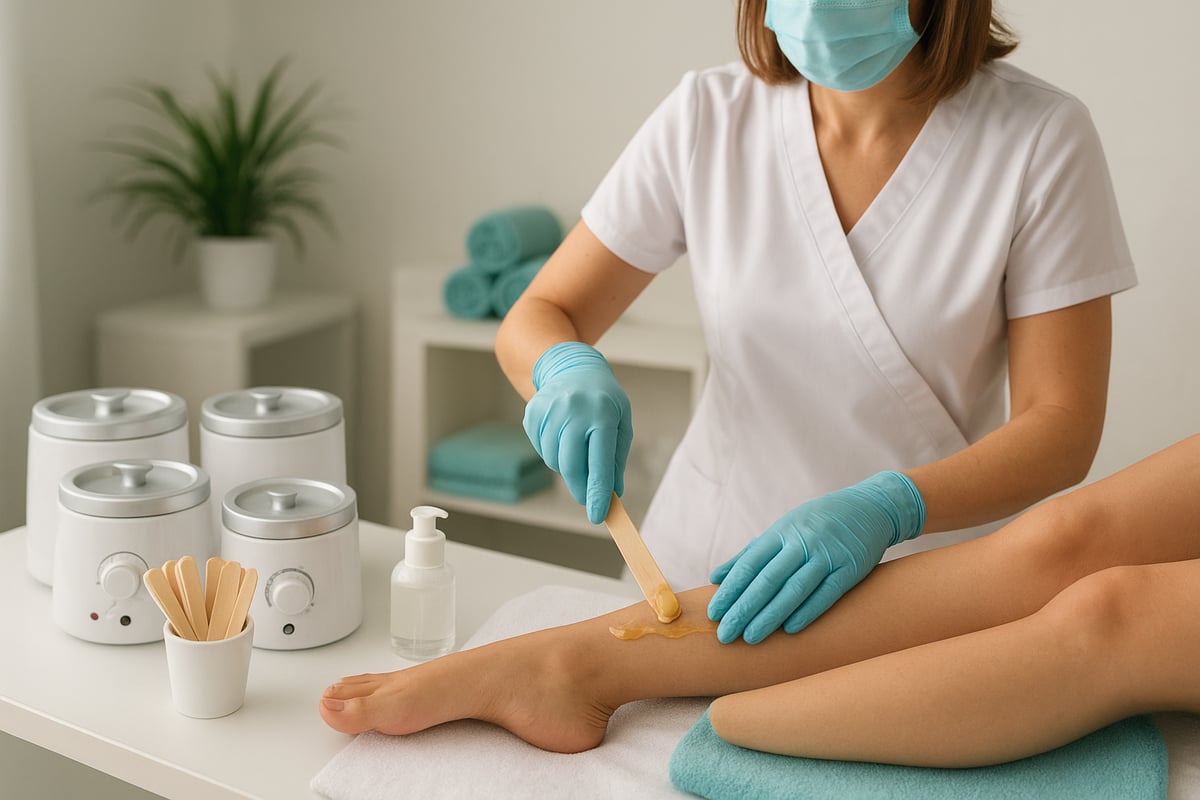
Choosing professional body waxing at a spa is a popular choice for those seeking flawless results with expert care. Your journey begins with a friendly consultation, where the esthetician asks about skin sensitivities, allergies, and your desired outcome. This is your time to voice any concerns, so don’t hesitate to ask questions.
The process starts with gentle cleansing of the skin using an antiseptic solution to remove oils and bacteria. Next, the esthetician selects the best wax for your skin type and the area being treated, such as hard wax for sensitive spots or soft wax for larger areas. Wax is applied in the direction of hair growth, then removed swiftly in the opposite direction, pulling hairs from the root for a smooth finish.
Hygiene is a top priority. Professionals use gloves, single-use applicators, and strictly sanitized equipment. After waxing, a soothing gel or oil calms the skin, reducing redness and irritation. The entire session, from prep to finish, is designed to be comfortable, efficient, and safe.
A typical full-body waxing session is well organized and can be surprisingly quick. Many clients find that regular appointments lead to finer regrowth and less discomfort over time. According to recent data, professional waxing reduces the risk of ingrown hairs by 40 percent compared to at-home methods. For a closer look at what to expect or to book your next appointment, explore the Professional Waxing Services page.
At-Home Waxing: DIY Tips and Safety
If you prefer the convenience of home, body waxing kits make it possible to achieve salon-like results. Start by choosing a high-quality wax kit that matches your skin type and the area you plan to treat. Always read the instructions thoroughly before beginning.
Begin with clean, dry skin. Test the wax temperature on a small patch to avoid burns. Apply the wax in small sections, following the direction of hair growth. Remove it quickly and confidently for best results. Remember, never double dip applicators back into the wax, as this keeps the process sanitary.
Mistakes can happen, but don’t panic. If leftover wax remains, use oil-based remover or a gentle warm compress to soften it. Soothe the area with aloe or a calming lotion. Watching professional tutorials can boost your confidence and improve your technique—60 percent of DIY waxers report better results after viewing expert guides.
Safety is key. Patch test new products to check for reactions, and avoid waxing broken or irritated skin. Take your time, and celebrate your new, smooth skin.
Special Considerations for Different Body Areas
Every area of the body has its own unique needs when it comes to body waxing. Sensitive zones like the bikini line, underarms, and face require extra care. Hard wax is ideal here, as it’s gentler on delicate skin and reduces irritation.
For larger areas such as the legs or back, soft wax is often preferred for its efficiency. Men’s waxing is on the rise, especially for the chest, back, and beard line. Coarser hair may need a firmer wax and slightly different technique, so don’t be afraid to ask for advice tailored to your needs.
Facial waxing requires a gentle touch to avoid over-waxing brows or irritating the upper lip. If you have tattoos or piercings, inform your esthetician in advance—they can work around these areas safely. There’s also been a 30 percent increase in male body waxing services since 2024, a testament to how inclusive and popular this self-care routine has become.
No matter which area you focus on, regular body waxing leads to smoother skin, and over time, many notice hair grows back finer and sparser.
Common Reactions and Immediate Aftercare
After body waxing, it’s normal to experience some redness, minor bumps, or sensitivity. Don’t worry—these reactions usually fade within hours. Applying a cold compress or aloe gel helps soothe the skin and speeds up recovery.
Avoid touching or scratching the area, and skip hot baths, saunas, or intense workouts for at least 24 hours. These simple steps can prevent irritation and allow your skin to heal beautifully. If you notice persistent rash, swelling, or signs of infection, reach out to a professional for guidance.
For minor wax burns or irritation, gentle first-aid is enough. Most people find that with a little aftercare, their skin feels smoother and more radiant after every session. The key is to listen to your body and treat your skin with kindness after each waxing experience.
Aftercare for Smooth, Lasting Results
Achieving beautifully smooth skin with body waxing is just the beginning. To enjoy lasting results and keep your skin feeling its best, aftercare is essential. With the right habits and products, you can prevent irritation, reduce ingrown hairs, and maintain that fresh, radiant glow after every session.
Essential Post-Wax Skin Care
Right after body waxing, your skin needs a little extra love. Start by cleansing gently with fragrance-free products to avoid irritation. Moisturize daily with a lightweight, non-comedogenic lotion that nourishes without clogging pores. For the first 48 hours, skip exfoliation and avoid tight clothing to let your skin breathe.
Loose, breathable fabrics help prevent chafing and discomfort. If you have sensitive skin, look for moisturizers with calming ingredients like aloe vera or calendula. For more detailed guidance, check out these Body Waxing Preparation and Aftercare Tips for optimal results.
Ingrown Hair Prevention and Treatment
Ingrown hairs can be a nuisance after body waxing, but with the right steps, you can keep them at bay. After 48 hours, resume gentle exfoliation using a sugar scrub or a chemical exfoliant with salicylic acid. This removes dead skin cells and helps new hairs grow out smoothly.
Apply an ingrown hair serum containing tea tree oil or witch hazel to calm the skin and reduce bumps. Never pick or squeeze ingrown hairs, as this can cause infection. Consistent exfoliation and targeted serums lead to up to 75% fewer ingrown hairs, making your body waxing routine even more rewarding.
Managing Redness, Bumps, and Sensitivity
It’s common to notice some redness or minor bumps after body waxing, especially if it’s your first time. Calm the skin by applying a cold compress or an anti-inflammatory gel like aloe vera or chamomile. Avoid hot showers, saunas, and intense workouts for the next 24 to 48 hours to minimize irritation.
If stubborn redness persists, a gentle over-the-counter hydrocortisone cream can help, but always consult your provider before use. Most mild reactions fade within a day or two, leaving your skin soft and comfortable after your body waxing session.
Lifestyle Adjustments for Better Results
A few simple lifestyle tweaks can really boost your body waxing experience. Schedule appointments at least a few days before big events, giving your skin time to heal and glow. Stay hydrated and eat antioxidant-rich foods like berries and leafy greens to support your skin’s natural renewal.
After body waxing, avoid sun exposure and tanning beds, as your skin will be more sensitive. Always wear SPF on areas that are exposed to sunlight to prevent dark spots and hyperpigmentation. Planning ahead ensures you’ll look and feel your best for vacations, weddings, or any special occasion.
Long-Term Maintenance and When to Book Again
Tracking your body waxing schedule helps you get the smoothest, longest-lasting results. Most people find that waxing every 3 to 6 weeks leads to finer, sparser hair and less discomfort over time. Regular waxing can reduce hair density by up to 50 percent after just one year.
If you’re considering switching to another method, like laser hair removal, talk to your esthetician about the best timing. Many salons offer loyalty programs or package deals, making it easier to keep up with your appointments and save money in the long run.
Recommended Aftercare Products
Choosing the right aftercare products makes a big difference in your body waxing results. Look for soothing gels, serums, and moisturizers with ingredients like aloe vera, calendula, witch hazel, or panthenol. Avoid any products with alcohol, artificial fragrance, or harsh chemicals that might irritate freshly waxed skin.
Award-winning ingrown hair serums and calming lotions are widely available in 2026, and 90 percent of clients using these products report fewer side effects. With the right aftercare routine, your skin will stay smooth, radiant, and ready for whatever comes next.
Troubleshooting & Expert Tips for Flawless Waxing
Smooth, radiant skin is within reach for everyone with a few expert troubleshooting tips. Whether you are new to body waxing or have plenty of experience, knowing how to prevent common issues and stay updated with the latest trends can make all the difference. Let us walk through solutions for every stage of your waxing journey.
Avoiding and Treating Ingrown Hairs
Ingrown hairs can be frustrating, but with the right body waxing routine, you can keep them in check. Dead skin cells often trap new hair beneath the surface, especially if you skip exfoliation. Tight clothing after waxing can also contribute to the problem.
Prevention is key:
- Exfoliate gently two to three times a week
- Moisturize daily to keep skin supple
- Use targeted serums with salicylic acid or tea tree oil
If you notice an ingrown hair, resist the urge to pick. Instead, apply a warm compress and let the hair surface naturally. For stubborn cases, seek professional advice to avoid scarring. About 40% of people who do body waxing experience ingrown hairs at least once, so you are not alone.
Minimizing Pain and Discomfort
Many worry about pain during body waxing, but there are proven ways to make it easier. Timing is everything, so try to avoid waxing when you are tired or during your menstrual cycle, as sensitivity is higher.
Helpful techniques include:
- Taking a mild pain reliever before your session (check with your provider first)
- Applying a numbing cream if your skin tolerates it
- Practicing deep breathing or listening to music during the process
Open communication with your esthetician is essential. Let them know if you need a break or an adjustment in technique. Compared to epilating, many find body waxing less painful once they develop a regular routine.
Dealing with Sensitive Skin and Allergies
Sensitive skin does not have to stand in the way of effective body waxing. Always patch test new waxes and aftercare products before applying them to larger areas. Look for hypoallergenic wax formulas, which are designed to minimize irritation.
If you experience a reaction, try:
- Taking an oral antihistamine
- Applying a cold compress to soothe the area
- Using fragrance-free, gentle moisturizers
For eczema-prone or allergy-sensitive skin, consult a dermatologist before trying a new product. Many professional spas now offer specialized waxes for sensitive clients, making body waxing more accessible than ever.
When to Seek Professional Help
While mild redness and bumps are normal after body waxing, some reactions need expert attention. Watch for signs of infection, such as pus, swelling, or severe redness that lasts more than 72 hours. Blisters or burns also warrant a visit to a professional.
Tips to stay safe:
- Always choose a reputable spa with licensed estheticians
- Report any unusual symptoms promptly
- Do not ignore persistent pain or rashes
Fortunately, less than 2% of waxing clients require medical intervention. With proper care and attention, most body waxing experiences are smooth and trouble-free.
Staying Up-to-Date: 2026 Waxing Trends and Innovations
The world of body waxing is always evolving. In 2026, eco-friendly wax formulas, vegan options, and biodegradable strips are on the rise. Temperature-controlled waxers and even AI-powered consultations are making treatments more comfortable and personalized.
Spas are becoming more inclusive, offering gender-neutral services and welcoming all body types. According to a recent Hair Removal Wax Market Growth report, demand for waxing continues to grow, driven by innovations and consumer awareness.
Younger generations, especially Gen Z, are booking full-body waxing more than ever. Staying informed about these trends ensures your body waxing routine is both modern and effective.
Frequently Asked Questions: Body Waxing 2026
Curious about body waxing in 2026? You’re not alone! We’ve gathered answers to your most common questions to help you feel confident and informed before your next appointment. Let’s break it down step by step.
How Much Does Body Waxing Cost in 2026?
Body waxing prices in 2026 can vary based on area, provider experience, and location. On average, a full leg wax costs between $70 and $90, while smaller areas like underarms or arms range from $25 to $50. Bikini waxes are also popular, with options detailed in this Bikini Waxing Overview.
Factors that affect pricing include whether you choose a luxury spa or a local salon, and the waxing method used. Many providers offer loyalty programs or package deals, making regular body waxing more affordable over time. Since 2024, demand for full-body waxing packages has jumped by 20 percent, making it easier to find deals.
Is Body Waxing Safe for All Skin Types?
Thanks to advances in wax formulas, body waxing is now safer than ever for sensitive, acne-prone, and mature skin. Many salons use hypoallergenic waxes specifically designed for those with eczema or rosacea. Professional assessment is key, especially if you have any skin conditions.
At-home waxing kits are widely available, but professional services offer a higher level of safety and satisfaction. In fact, 95 percent of clients with sensitive skin report positive experiences with professional body waxing. Always let your esthetician know about allergies or sensitivities before your session.
How Long Do Results Last and When Does Hair Grow Back?
Typically, body waxing results last between three and six weeks, depending on your hair type, hormones, and the area treated. Regular waxing can slow regrowth, so you’ll notice smoother skin for longer with consistent sessions.
To maintain the best results, schedule appointments based on your personal hair growth cycle. Underarm hair, for example, often grows back more slowly with regular body waxing. Curious about long-term options? Explore this Laser Hair Removal vs. Waxing guide for a comparison of lasting results.
Can I Wax While Pregnant or on Medication?
Body waxing is generally safe during pregnancy, but it’s important to avoid waxing the abdomen and always consult your provider first. Some medications, like retinoids, antibiotics, or Accutane, can make skin more sensitive. Be sure to disclose all medications to your esthetician before your appointment.
Many pregnant clients schedule body waxing around prenatal visits for comfort and peace of mind. Approximately 10 percent of waxing clients are pregnant women, and most report positive experiences with professional care. When in doubt, ask your doctor or esthetician for guidance.
Now that you know the ins and outs of body waxing—from choosing the best method for your skin to prepping, aftercare, and even the latest 2026 trends—you’re ready to enjoy silky smooth results with confidence. If you’re feeling inspired to take the next step, we’re here for you. At Valencia MedSpa in Knoxville, our caring team is dedicated to making your waxing experience comfortable, safe, and tailored just for you. Let’s make your beauty and wellness goals a reality together—Book an Appointment and treat yourself to the smooth skin you deserve!