Have you ever wondered how so many people seem to turn back the clock yet make it look effortless? With the rising popularity of cosmetic injectables, it is no surprise that the difference between botox and fillers leaves many feeling overwhelmed and unsure.
We understand how confusing the options can be. That is why we are here to walk you through every step. In this guide, you will discover exactly how these treatments work, their benefits, potential risks, costs, and how to choose the one that fits your needs best.
Ready to feel confident and empowered in your choices? Dive in and let us clear up the confusion together.
What is Botox? Mechanism, Uses & Science
Curious about the difference between botox and fillers? Let's start by diving into the world of Botox, one of the most popular cosmetic treatments today. If you've ever wondered what Botox really is or how it works, you're not alone. Many of us want to look refreshed without confusion or worry, and learning about Botox is a great first step.

What Is Botox?
Botox is the brand name for Botulinum toxin type A, a purified protein derived from a bacterium called Clostridium botulinum. While that might sound intimidating, Botox has a long and trusted history in medicine. The FDA first approved Botox for medical use in the late 1980s, and it quickly gained popularity for cosmetic applications in 2002.
Today, understanding the difference between botox and fillers is essential for anyone considering facial rejuvenation. Botox is unique because it targets the causes of dynamic wrinkles, helping people smooth out lines and look naturally refreshed.
How Does Botox Work?
The science behind Botox is fascinating. When injected in tiny amounts, Botox temporarily blocks nerve signals to specific facial muscles. This gentle relaxation of the muscles helps reduce the appearance of dynamic wrinkles—those lines that form from repeated facial movements like frowning, smiling, or squinting.
Unlike fillers, which add volume, Botox works by preventing muscles from contracting too strongly. This difference between botox and fillers is key to choosing the right treatment for your needs. The effects are subtle, allowing you to look like yourself, just more rested.
Common Uses of Botox
Botox is most famous for treating forehead lines, crow’s feet (those fine lines around the eyes), and frown lines between the eyebrows. However, its uses go beyond beauty. Botox is FDA-approved to treat chronic migraines and excessive sweating (hyperhidrosis), offering relief for many people.
When thinking about the difference between botox and fillers, remember that Botox excels at softening lines caused by muscle activity, while fillers are best for restoring lost volume. This is why Botox is often the go-to for smoothing expression lines.
What to Expect During a Botox Session
A typical Botox appointment is quick and convenient. After a personalized consultation, your provider will use a very fine needle to inject small amounts of Botox into targeted facial muscles. The process is usually completed in under 20 minutes, and most people experience only minimal discomfort.
There is little to no downtime, so you can return to daily activities almost immediately. For those exploring the difference between botox and fillers, this ease and simplicity are major advantages.
If you want to learn even more about the procedure and safety, you can read this comprehensive Botox Treatments in Knoxville guide for additional details.
How Long Do Botox Results Last?
The results from Botox are not permanent, but they are long-lasting. Most people see visible improvements within 3 to 7 days, with the full effect appearing in about two weeks. On average, the smoothing effects last 3 to 4 months, but this can vary based on individual factors like metabolism, muscle strength, and treatment area.
Knowing the difference between botox and fillers is useful here, as fillers can last from 6 months up to 2 years, depending on the product used.
Is Botox Safe? Side Effects Explained
Botox is considered very safe when administered by qualified professionals. The most common side effects are mild and temporary, including slight bruising, swelling, or redness at the injection site. Rarely, some people may experience a temporary drooping of the eyelid or eyebrow, which usually resolves within a few weeks.
Understanding the difference between botox and fillers also means being aware of safety. While both treatments have excellent safety records, choosing an experienced provider greatly reduces the risk of complications.
Botox Trends and Popularity
Botox remains the most popular cosmetic injectable worldwide. According to recent data, millions of Botox procedures are performed each year in the U.S. alone, with increasing demand among younger adults seeking preventive treatments.
This surge reflects growing awareness of the difference between botox and fillers, as well as a desire for natural, age-defying results.
Real Patient Example
Consider Jane, a 37-year-old professional who noticed deepening forehead lines after years of expressive work meetings. She wanted a subtle, refreshed appearance without looking "frozen." After a thorough consultation, Jane received targeted Botox injections. Within a week, her forehead looked smoother and more relaxed, and she felt confident facing clients again.
Jane’s story highlights how understanding the difference between botox and fillers can empower people to choose the right solution for their unique needs.
What are Dermal Fillers? Types, Mechanism & Applications
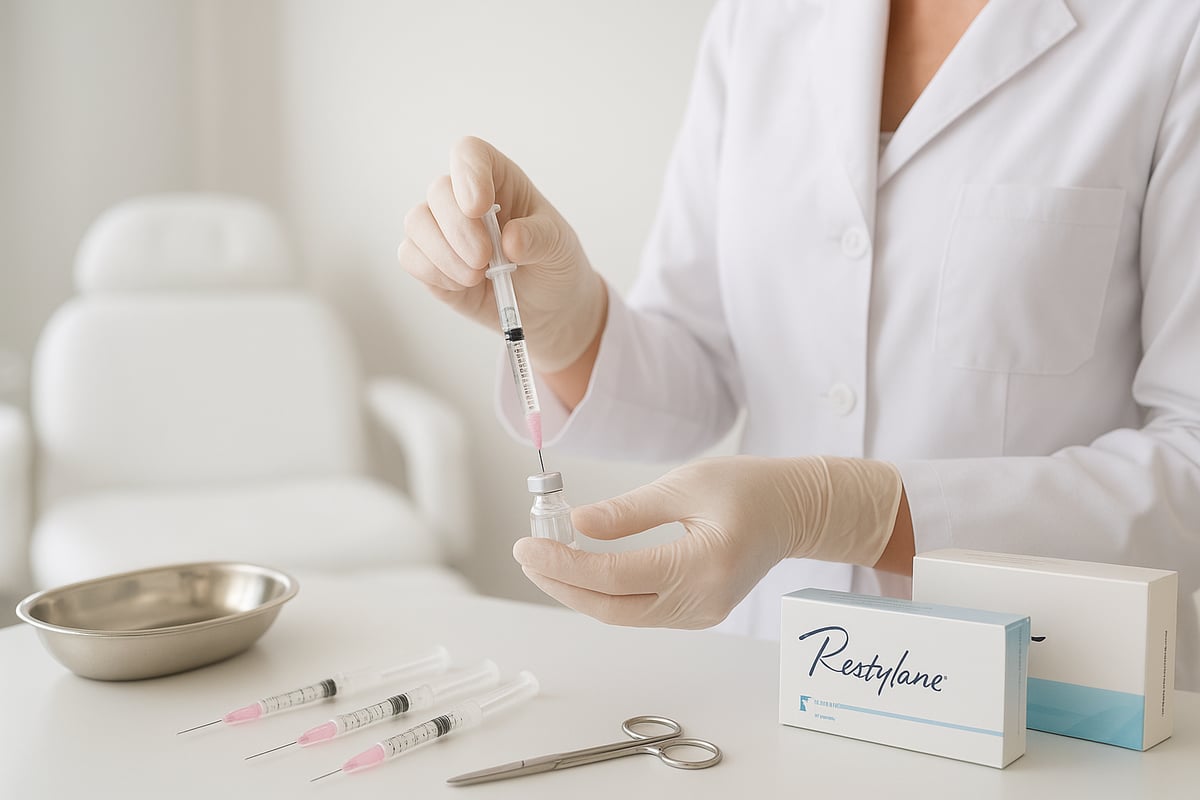
Curious about how dermal fillers fit into the difference between botox and fillers? Dermal fillers are injectable treatments designed to restore volume, smooth lines, and enhance facial contours. They are distinct from Botox, which relaxes muscles, while fillers add structure and fullness to targeted areas. The most common substances found in modern fillers are hyaluronic acid, calcium hydroxylapatite, and poly-L-lactic acid, each offering unique benefits for rejuvenation.
What Are Dermal Fillers?
Dermal fillers are gel-like substances injected beneath the skin to address specific aging concerns. If you have ever wondered about the difference between botox and fillers, fillers stand out for their ability to plump areas that have lost volume or definition. These products are FDA-approved for cosmetic use and are widely regarded as safe when administered by trained professionals.
The main ingredients in fillers include hyaluronic acid (a naturally occurring sugar in the skin), calcium hydroxylapatite (a mineral compound), and poly-L-lactic acid (a synthetic stimulator for collagen production). Each ingredient offers different longevity and effects.
How Do Dermal Fillers Work?
Unlike Botox, which targets muscle movement, dermal fillers work by physically filling in areas where volume has diminished. This means they are perfect for static wrinkles—those lines and folds that remain even when your face is at rest. The difference between botox and fillers becomes clear here: fillers restore lost fullness, while Botox focuses on movement lines.
Fillers are especially effective in smoothing wrinkles, enhancing lips, lifting cheeks, and sculpting jawlines. The gel integrates with your skin tissue, providing a smoother, more youthful appearance.
Types and Popular Brands
There are several types of dermal fillers, each with its own strengths. Hyaluronic acid-based fillers like Juvederm and Restylane are popular for their natural feel and reversibility. Calcium hydroxylapatite fillers, such as Radiesse, offer a firmer texture ideal for deeper lines or contouring. Poly-L-lactic acid fillers, like Sculptra, gradually stimulate collagen for longer-term improvements.
If you want to explore more about available options, safety, and detailed treatment insights, the Dermal Fillers in Knoxville page provides a helpful overview.
Common Uses of Dermal Fillers
Dermal fillers can address many facial concerns. Some of the most common uses include:
- Cheek augmentation for a youthful lift
- Lip enhancement for fuller, more defined lips
- Smoothing nasolabial folds (the lines from the nose to the mouth)
- Reducing under-eye hollows
- Sculpting the chin and jawline for improved facial balance
The difference between botox and fillers is especially noticeable in these applications, as fillers can shape and volumize, while Botox cannot.
What to Expect During a Dermal Filler Procedure
A typical filler appointment is quick and straightforward. Your provider will assess your face, discuss your goals, and map out the injection sites. After cleansing and numbing the area, the filler is carefully injected using a fine needle or cannula.
Mild discomfort is possible, but most fillers contain lidocaine to ease the process. Aftercare instructions usually include avoiding strenuous activity and certain medications for a short period.
How Long Do Dermal Fillers Last?
The longevity of dermal fillers depends on the product, treatment area, and your unique metabolism. On average, results last from 6 months to 2 years. Hyaluronic acid fillers are usually on the shorter end, while calcium hydroxylapatite and poly-L-lactic acid fillers may last longer.
When comparing the difference between botox and fillers, remember that fillers often provide more immediate and longer-lasting results for volume loss.
Are Dermal Fillers Safe?
Dermal fillers are considered safe when administered by experienced, qualified injectors. Common side effects include temporary swelling, redness, and bruising. Rare risks include lumps or, in very rare cases, vascular occlusion, which requires immediate attention.
The difference between botox and fillers is also seen in their safety profiles, with each having unique considerations. Always choose a reputable provider and follow all aftercare advice to minimize risks.
Real-World Example: Restoring Cheek Volume
For instance, Sarah, a woman in her 40s, sought dermal fillers to restore cheek volume lost after significant weight loss. Her results were natural and rejuvenating, highlighting the difference between botox and fillers for those seeking fullness rather than wrinkle relaxation.
Botox vs Fillers: Key Differences & Comparison Table
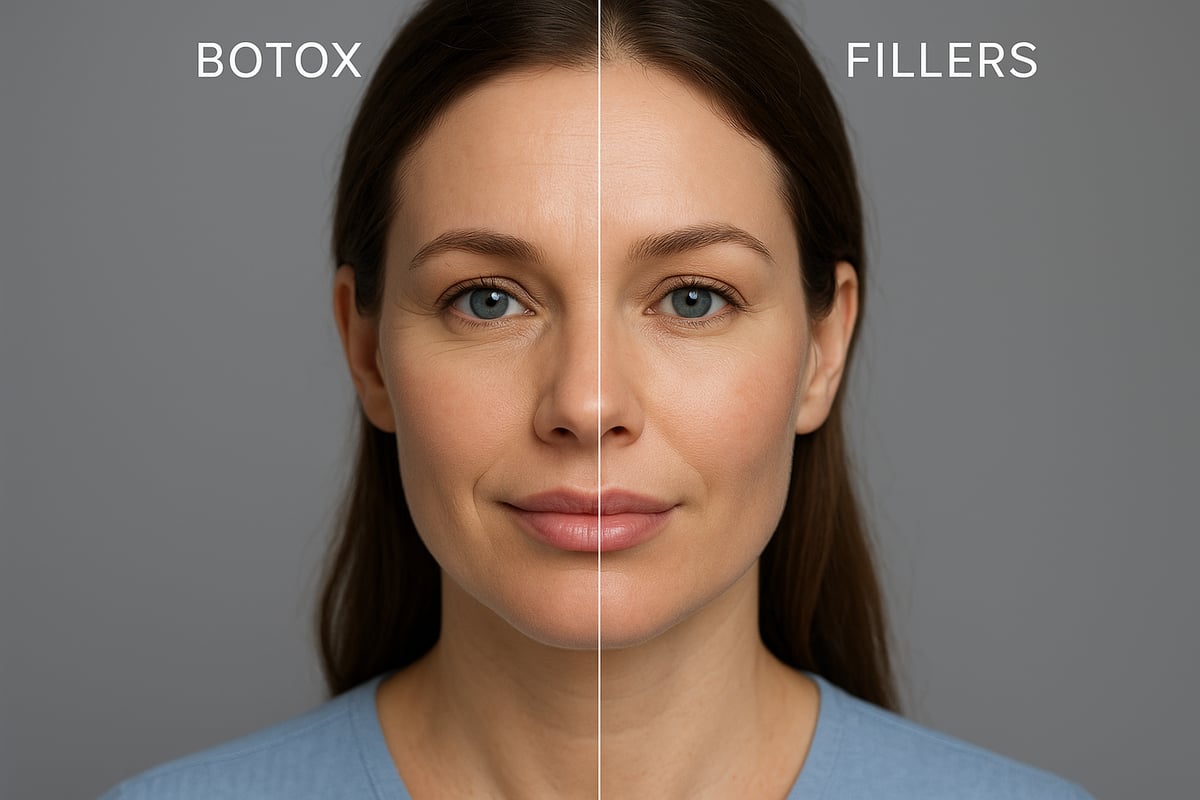
Navigating the difference between botox and fillers can feel overwhelming, especially with so many options on the market. To make it easier, we have broken down the essentials into a straightforward comparison. Whether you are curious about how each works, what they treat, or which suits your goals, this section gives you the clarity you need.
Below, you will find a handy table that summarizes the most important aspects of the difference between botox and fillers.
| Feature | Botox | Fillers |
|---|---|---|
| Mechanism | Muscle relaxation | Volume restoration |
| Areas Treated | Forehead, crow’s feet, frown lines, neck | Cheeks, lips, nasolabial folds, jawline |
| Results Onset | 3-7 days | Immediate |
| Duration | 3-4 months | 6-24 months (varies by product) |
| Side Effects | Bruising, rare drooping | Swelling, lumps, rare vascular issues |
| Average Cost | $300-$600 per session | $600-$2,000+ per session |
Mechanisms of Action
The difference between botox and fillers starts with how they work. Botox, known for relaxing muscles, targets the nerve signals that cause dynamic wrinkles. When injected, it gently blocks these signals, which helps smooth lines caused by facial expressions.
Fillers, in contrast, restore lost volume and contour the face by physically filling in areas beneath the skin. They are especially helpful for static wrinkles and enhancing features like cheeks and lips.
Understanding the difference between botox and fillers at this level is key to choosing the right solution for your unique needs.
Areas Treated
Next, let us look at the areas each product shines. Botox is most often used to treat forehead lines, crow’s feet, frown lines, and even neck bands. Its strength lies in smoothing wrinkles that appear with movement.
Fillers excel at adding structure and fullness. They are used for cheeks, lips, nasolabial folds, chin, jawline, and under-eye hollows. The difference between botox and fillers here lies in the types of facial concerns they address.
This distinction helps us understand which option matches our beauty goals.
Results & Longevity
Another important difference between botox and fillers is how quickly you see results and how long they last. Botox results start to show in three to seven days, with smoothness sticking around for three to four months.
With fillers, the improvements are often visible immediately after treatment. Depending on the product, results can last from six months up to two years.
If you are deciding between options, knowing the difference between botox and fillers in terms of durability is essential.
Procedure Experience
The treatment experience is another area where the difference between botox and fillers becomes clear. Botox injections are quick, usually finished in 10-15 minutes, with little discomfort and no downtime. Most people go right back to their day.
Fillers may take a bit longer, and you might notice temporary swelling or bruising after. There can be minor downtime, but most return to normal activities quickly.
Both are considered non-surgical, but the difference between botox and fillers in this area can help you plan for your schedule.
Safety & Side Effects
Safety is always top of mind when thinking about the difference between botox and fillers. Common side effects for Botox include mild bruising and, rarely, temporary muscle weakness. Fillers can cause swelling, bruising, or lumps, with rare but serious risks like vascular complications.
According to a detailed comparison between Botox and dermal fillers, understanding the risks and choosing a qualified provider are the best steps for a safe, positive outcome.
The difference between botox and fillers also means different aftercare and monitoring for each treatment.
Cost Comparison
Finally, the difference between botox and fillers is reflected in pricing. Botox sessions typically cost $300 to $600, depending on the area and practitioner expertise. Fillers are more variable, ranging from $600 to over $2,000 per session.
Factors like the type of product, treatment area, and provider credentials all influence costs. When weighing the difference between botox and fillers, consider both the upfront price and the longevity of results.
By understanding these distinctions, you are empowered to make a confident, informed decision about your cosmetic journey.
Who is a Good Candidate? Age, Skin Concerns & Goals
Choosing between Botox and fillers starts with understanding who benefits most from each. Let's break down the difference between botox and fillers by looking at age, cosmetic goals, health history, and the value of a personalized consultation.

Age and Skin Type Considerations
The difference between botox and fillers often starts with your age and skin type. Most people begin considering Botox in their mid 20s to prevent early dynamic wrinkles. For others, correction becomes a focus in their 30s to 60s, targeting lines from repeated facial movement.
Dermal fillers are usually chosen by those in their 30s and beyond, when natural facial volume starts to decrease. Fillers can help restore fullness and smooth static wrinkles. Both injectables are generally safe for all skin types, making them accessible to a wide range of people.
Cosmetic Goals and Expectations
Understanding your goals is key to determining the difference between botox and fillers for your needs. Botox is best for smoothing dynamic lines, like those on the forehead or around the eyes, and can even offer a subtle brow lift.
Fillers are ideal for anyone wanting to restore lost facial volume, contour cheeks or jawlines, or enhance lips. If you want a refreshed, youthful look without surgery, fillers may be the right choice. Knowing what you hope to achieve helps guide the decision process.
Medical History & Contraindications
Your medical background plays a big role in the difference between botox and fillers. Botox is not recommended if you are pregnant, breastfeeding, or have certain neuromuscular disorders like myasthenia gravis.
Fillers should be avoided if you have allergies to filler ingredients or specific autoimmune conditions. Always discuss your full medical history with your provider, so they can recommend the safest option for you.
Consultation & Customization
The most important part of choosing between injectables is a professional consultation. This step ensures you understand the difference between botox and fillers and receive a treatment plan tailored to your unique needs.
A reputable clinic will assess your facial anatomy, listen to your concerns, and explain options clearly. To learn more about the consultation process and available treatments, you can visit the Injectables: Botox, Fillers, Microneedling Overview page for a detailed look at how experts guide you through your choices.
Risks, Side Effects & Safety: What to Know in 2026
Navigating the difference between botox and fillers means understanding not just their benefits, but also the risks and safety measures that come with each. In 2026, both treatments are safer than ever, but being informed helps us make confident, healthy choices together.
Common & Rare Side Effects
Every cosmetic treatment carries some risk, and knowing the difference between botox and fillers helps us prepare. With Botox, common side effects are usually mild, like slight bruising, swelling, or a temporary headache. Rarely, people may experience eyelid droop, affecting 1-5% of cases.
Fillers can cause swelling, redness, or lumps at the injection site. In very rare cases, vascular occlusion can occur, which is when filler blocks a blood vessel. This happens in only about 0.05-0.1% of treatments.
It's good to remember that most side effects are short-lived and resolve on their own. For more details on safety and approved uses, check the FDA guidelines on dermal fillers.
Advances in Safety Protocols
One of the biggest changes in the difference between botox and fillers is how safety protocols have evolved. Clinics now use advanced techniques, like ultrasound guidance, to see exactly where fillers are being placed. This reduces the risk of complications and makes procedures even safer.
New training standards mean providers are better equipped than ever. Technology tracks patient outcomes, helping us learn and improve. These advances help keep side effects rare and recovery times short.
If you're nervous about safety, remember that innovation is on your side. Today, getting cosmetic injectables is more precise and predictable than ever.
Choosing a Qualified Provider
The most important factor in the difference between botox and fillers is who performs your treatment. Board-certified injectors follow strict protocols and have the experience to avoid problems. Complication rates are much lower when you choose a provider who specializes in medical aesthetics.
Look for clinics with good reviews and transparent safety practices. Ask about credentials and training during your consultation. For a deeper look at expert techniques and what to expect at reputable clinics, see Mastering Injectables and Fillers.
Feeling valued and safe should always be your top priority. When we choose wisely, we set ourselves up for the best results.
Managing and Preventing Complications
Even with the best care, knowing how to handle complications is part of understanding the difference between botox and fillers. If you notice unusual pain, discoloration, or side effects that don't go away, contact your provider right away.
For filler issues, hyaluronidase can dissolve hyaluronic acid products quickly and safely. Most mild side effects, like swelling or bruising, can be managed with cold packs and rest.
Prevention is always best. Following aftercare instructions and attending follow-up visits help ensure your experience is smooth and rewarding.
Making the Right Choice: Factors to Consider
Choosing between Botox and fillers is a personal journey. Understanding the difference between botox and fillers will help you feel empowered as you decide what matches your needs, lifestyle, and goals. Let’s break down the most important factors so you can approach your decision with confidence.
Personal Aesthetic Goals
Your goals are at the heart of your decision. Are you looking to smooth out forehead lines or lift your brows? Botox shines when it comes to relaxing dynamic wrinkles that appear with facial movement. If your main concern is restoring lost volume in your cheeks, plumping lips, or sculpting your jawline, fillers may be the better fit.
The difference between botox and fillers also lies in how each treatment addresses aging. Botox is best for preventing and softening expression lines, while fillers are ideal for contouring and enhancing facial structure. Take time to reflect on what changes would make you feel your best.
Budget and Maintenance
Budget is a practical factor when weighing the difference between botox and fillers. Botox sessions generally cost less per treatment, but results last around three to four months. Fillers have a higher upfront price, though their effects can last from six months up to two years, depending on the product and area.
Think about your comfort with ongoing appointments. Are you okay with regular touch-ups, or do you prefer fewer maintenance visits? Also, consider the expertise of your provider, as this can affect both results and cost. Planning ahead can help you manage your investment in your appearance.
Combination Treatments
Sometimes, the most natural and refreshed results come from combining both options. Many people seeking a comprehensive rejuvenation choose a “liquid facelift,” which uses Botox to soften lines and fillers to restore volume. This approach can address multiple concerns in one session.
The difference between botox and fillers means they complement each other, not compete. A skilled provider will customize your plan, ensuring each product is used where it has the greatest effect. Combination treatments are popular for those seeking balanced, harmonious changes without surgery.
Trends & Innovations for 2026
The world of injectables is evolving fast. In 2026, trends are shifting toward more natural-looking results and preventive treatments, especially among younger adults. New filler formulas last longer and offer improved safety, while advanced injection techniques enhance precision.
Market research shows the popularity of both Botox and fillers is rising worldwide, reflecting growing trust and demand. For a deeper look at where the industry is headed, check out this global market analysis of dermal fillers and botulinum toxin. Staying informed about the difference between botox and fillers ensures you can take advantage of the latest options and make the best decisions for your unique goals.
Now that you’ve got a clearer picture of how Botox and fillers work, and how each can help you achieve your unique goals, it’s natural to have more questions or want advice tailored just for you. We’re here to support you every step of the way at Valencia MedSpa—whether you’re curious about smoothing lines, restoring volume, or simply exploring your options in a welcoming space. If you’re ready to take the next step toward feeling confident and refreshed, let’s chat about what’s best for you.
Schedule a Consultation