Did you know non-surgical cosmetic treatments are set to surpass 20 million procedures globally by 2026? As more people seek subtle enhancements, the demand for the most advanced filler injector solutions has soared.
This guide is your trusted resource for navigating the world of filler injector options in 2026. We’ll share expert insights, practical advice, and reveal what’s new in technology and safety protocols.
You’ll discover how filler injector techniques have evolved, which innovations are shaping the field, and how to achieve the safest, most natural results. Ready to make informed choices and get ahead with actionable tips from top professionals? Let’s dive in.
The Evolution of Filler Injectors: 2020–2026
The world of filler injector technology has seen a remarkable transformation between 2020 and 2026, making treatments safer, more precise, and accessible to a wider audience. If you have ever wondered how far we have come, you are in the right place. Let us explore the innovations and shifting patient trends that have shaped this exciting field.
Technological Advancements in Filler Injectors
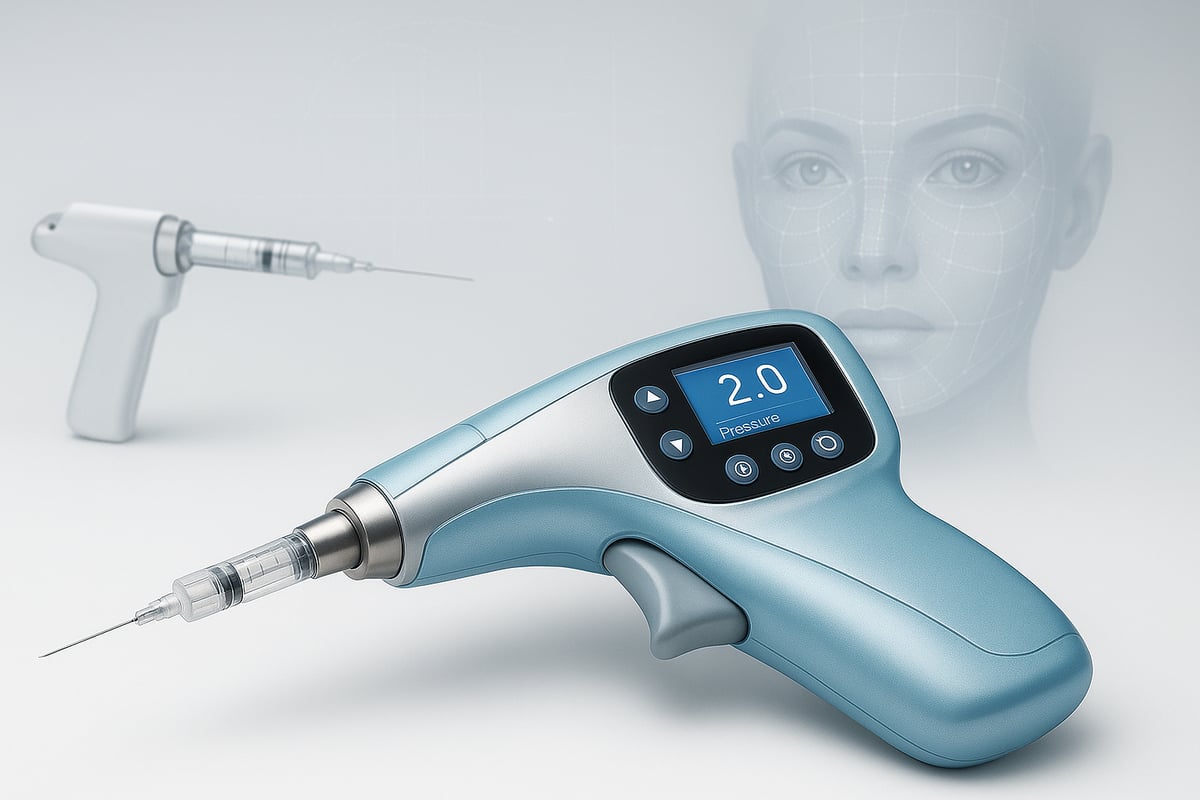
From 2020 to 2026, the filler injector landscape has experienced a wave of innovation. Devices have evolved from simple syringes to sophisticated tools engineered for precision and safety. One of the most significant breakthroughs is the integration of AI-driven systems and robotic assistance, which help practitioners deliver filler with unmatched accuracy.
Digital imaging now plays a major role in pre-injection planning. Practitioners use 3D facial scans to map out injection sites, reducing guesswork and improving patient outcomes. Safety features have also taken center stage. Modern filler injector devices come equipped with pressure sensors and auto-stop mechanisms, which help prevent complications by halting the process if resistance is detected.
Consider this comparison of how filler injectors have changed over six years:
| Feature | 2020 Filler Injector | 2026 Filler Injector |
|---|---|---|
| Manual Control | Yes | Optional, AI-assisted |
| Ergonomic Design | Limited | Advanced, customizable |
| Safety Sensors | Rare | Standard |
| Digital Imaging | Not integrated | Fully integrated |
| Regulatory Approvals | Basic | Extensive, global |
The global market for filler injector devices has reflected these changes. According to ISAPS 2025 data, demand for minimally invasive options continues to surge, with a projected market growth of over 30 percent since 2020. This is driven by patients seeking effective, non-surgical solutions for facial enhancement.
As more people look for quick, natural-looking results, the technology behind each filler injector has kept pace, offering both practitioners and patients greater confidence in the process.
Changing Patient Demographics and Expectations
The evolution of the filler injector is not just about technology. It is also about the people seeking these treatments. In 2026, we see a shift toward younger patients embracing the “prejuvenation” trend. Instead of waiting for visible signs of aging, more individuals in their 20s and 30s are using fillers proactively to maintain their youthful features.
Another notable change is the rise in male clientele. Men now make up a growing segment of filler injector patients, seeking subtle yet effective enhancements tailored to masculine facial anatomy. Practitioners are adapting their approaches to address these unique needs.
The demand for natural, understated results is stronger than ever. Social media and celebrity culture continue to shape beauty ideals, with many patients bringing filtered selfies as references for their desired outcomes. Surveys in 2026 reveal that the top reasons for seeking filler treatments include boosting self-confidence, maintaining a competitive edge at work, and wanting to look refreshed rather than altered.
If you are interested in learning more about the latest best practices and advanced injectable techniques, you can find additional insights in Mastering Injectables and Fillers.
As the filler injector industry continues to grow, it is clear that both advanced technology and evolving patient expectations play vital roles in shaping the future of aesthetic medicine.
Understanding Filler Types and Injector Selection
Choosing the right filler injector and material in 2026 is key to achieving natural, safe, and satisfying results. With so many options available, understanding the science behind each filler and the technology of injector devices helps us make informed decisions for every unique face.
Overview of Filler Materials
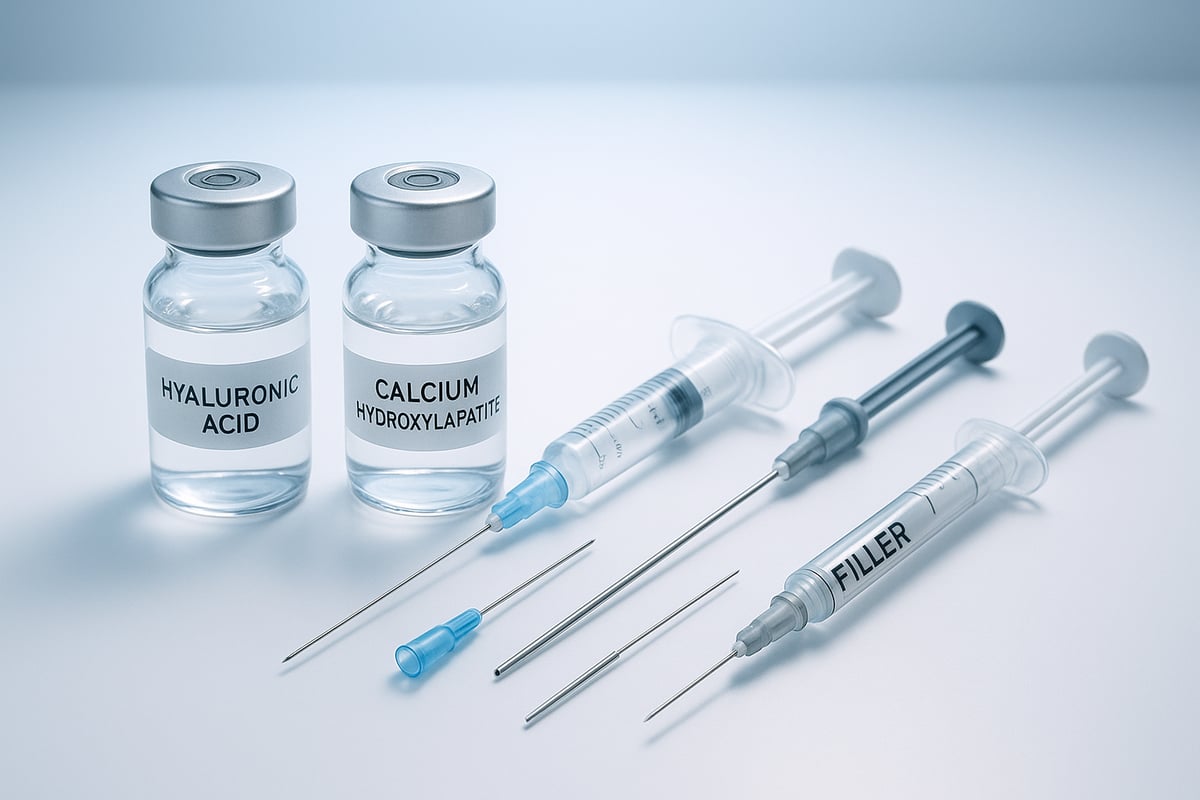
Today’s filler injector landscape is more diverse than ever. The most common fillers include hyaluronic acid (HA), calcium hydroxylapatite (CaHA), poly-L-lactic acid (PLLA), and new bio-stimulatory options. Each has unique benefits and limitations.
Let’s break down the main types:
| Filler Type | Longevity | Reversibility | Pros | Cons | Popular Brands |
|---|---|---|---|---|---|
| Hyaluronic Acid | 6–18 months | Yes | Natural look, safe, versatile | Temporary | Juvederm, Restylane |
| Calcium Hydroxylapatite | 12–24 months | No | Stimulates collagen, firming | Not reversible | Radiesse |
| Poly-L-lactic Acid | 18–24 months | No | Gradual volume, long-lasting | Multiple sessions | Sculptra |
| Bio-stimulatory | Up to 36 months | Varies | Regenerative, semi-permanent | Limited reversal | NewGen, Rejuva |
HA fillers are the most popular, thanks to their safety and reversibility. CaHA and PLLA offer longer-lasting results and stimulate collagen, but require more expertise. Bio-stimulatory fillers are gaining attention for their regenerative effects.
Safety is a priority with every filler injector. Some patients may prefer reversible options, while others seek longevity. Always consider allergies, desired results, and downtime.
Curious how fillers compare to other injectables? Check out this helpful Comparing Botox and Fillers guide for more clarity.
Criteria for Selecting the Right Injector Device
Selecting the best filler injector device can make all the difference in patient comfort and outcome. The main decision is between a needle and a cannula.
- Needles are sharp and precise, ideal for targeted areas like lips or fine lines.
- Cannulas are blunt-tipped, minimizing trauma and reducing the risk of bruising, especially for cheeks or tear troughs.
When choosing a filler injector, consider:
- Gauge size: Thinner gauges mean less discomfort but may not suit thicker fillers.
- Flexibility: Some devices are more flexible, adapting to facial contours.
- Filler compatibility: Certain injectors pair better with specific filler types.
- Ergonomics: Comfortable grip reduces practitioner fatigue during long procedures.
- Regulatory approvals: Look for FDA or CE certified devices for peace of mind.
A 2026 case study highlighted that switching from a standard needle to an advanced cannula significantly reduced swelling and improved patient satisfaction. The right combination of filler injector and filler material leads to optimal safety and beautiful, natural results.
Understanding both filler types and injector devices ensures we can personalize every treatment and achieve results that truly make our patients smile.
Step-by-Step Filler Injection Process in 2026
Thinking about a filler injector treatment in 2026? You are not alone. The process has become more sophisticated, safer, and more personalized than ever before. Let us walk through the modern step-by-step journey, so you know exactly what to expect.
Pre-Procedure Assessment and Planning
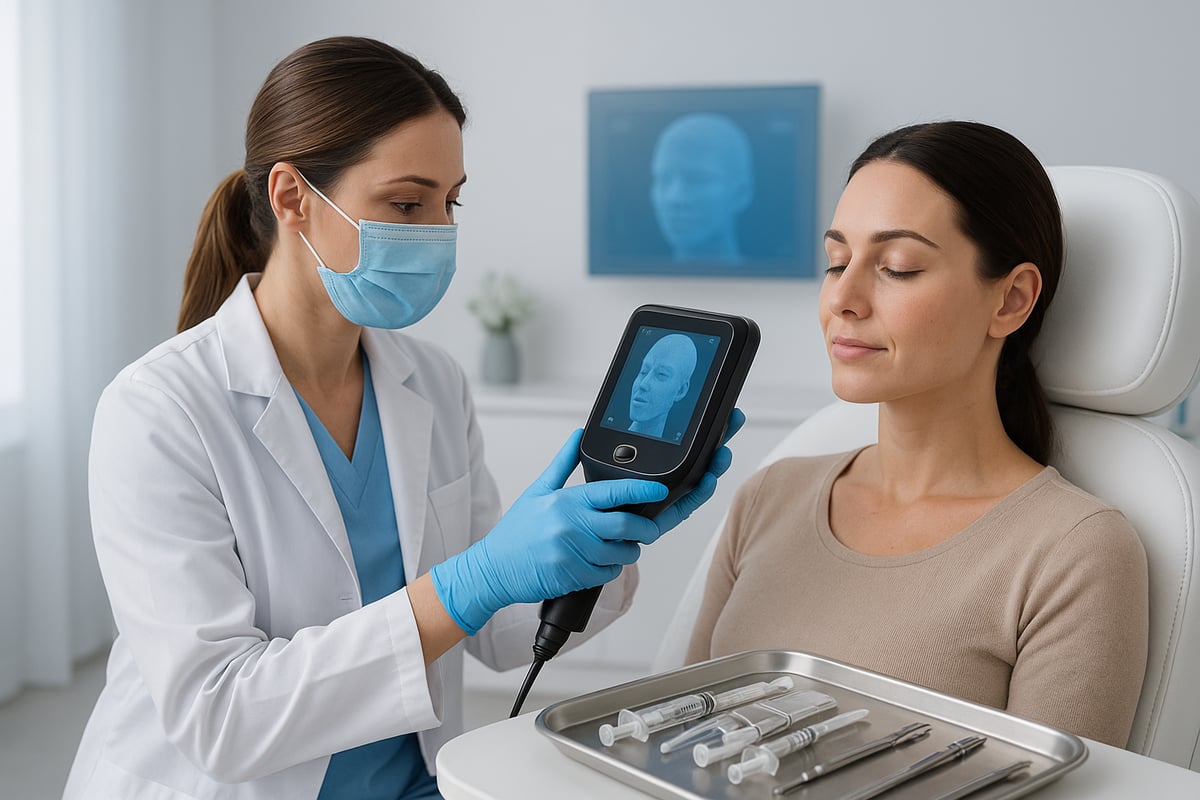
The first step with any filler injector procedure in 2026 is a thorough assessment. Clinics now use advanced 3D imaging to map your facial structure in incredible detail. This technology lets practitioners visualize underlying vessels and soft tissue layers, making the process more predictable and personalized.
During your consultation, you will discuss your goals, review your medical history, and identify any contraindications. This is also the time to set realistic expectations. Practitioners explain what results are possible with a filler injector, so you feel confident and informed.
Before treatment, high-resolution photographs are taken from multiple angles. These become part of your medical record and help track subtle improvements over time. Thanks to these comprehensive protocols, clinics have seen a significant drop in complications, as every detail is double-checked.
Preparation and Aseptic Technique
Next, the focus shifts to preparation. Proper aseptic technique is critical with every filler injector treatment. Practitioners cleanse and disinfect the treatment area thoroughly, often using a combination of medical-grade cleansers and advanced antimicrobial solutions.
Patient comfort is a top priority. In 2026, numbing creams have evolved, providing rapid and effective anesthesia with minimal irritation. Some clinics also offer comfort innovations, like cooling devices or gentle massage tools, to help you relax.
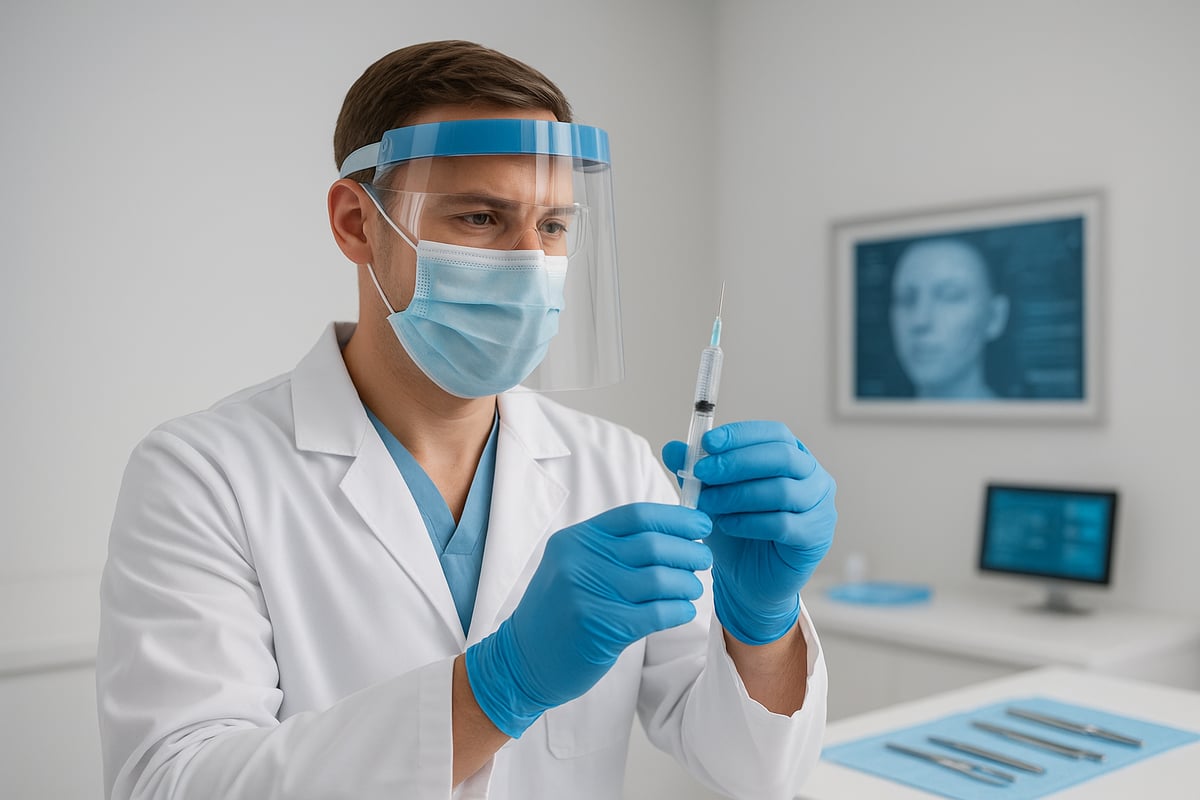
Device preparation is meticulous. The selected filler injector is loaded with the right amount and type of filler, and all tools are checked for sterility. Practitioners follow a detailed checklist to minimize infection risk, ensuring every step is performed with care and precision.
Injection Techniques and Best Practices
The actual injection process has seen remarkable advancements. Practitioners now choose from a variety of techniques depending on the facial area and desired outcome. Layering methods, such as superficial or deep placement, allow for customized results with each filler injector.
Popular techniques include micro-droplet placement for fine lines, linear threading for smooth contours, and fanning methods for broader volume. Adjustments are made for different regions—lips, cheeks, jawline, and even tear troughs all require unique approaches. Ethnic skin types and individual anatomy are always considered.
One of the biggest safety leaps is the use of real-time ultrasound guidance. This imaging helps pinpoint blood vessels, reducing the risk of complications. For more on how ultrasound is transforming safety in filler injector procedures, see Ultrasound Pinpoints Vascular Complications from Cosmetic Fillers. The combination of technology and expertise means more natural, predictable, and safe outcomes.
Immediate Post-Injection Care
Right after your filler injector session, the care does not stop. Practitioners gently massage treated areas and apply cooling packs to reduce swelling and discomfort. You will receive clear instructions on managing minor bruising, what to avoid, and when to contact the clinic if you notice anything unusual.
Early recognition of complications is a key part of modern protocols. Clinics educate patients on warning signs and have rapid-response plans in place. You will also get aftercare tips to help your results last longer, such as avoiding heavy exercise, not touching the area, and using gentle skincare.
Thanks to these refined post-injection routines, adverse events have dropped by 30 percent in recent years. The process is now smoother, safer, and more comfortable, helping you feel confident every step of the way.
Safety, Complications, and Risk Management
Ensuring patient safety is at the heart of every successful filler injector procedure. As the popularity of these treatments grows, understanding risks and how to manage them is more important than ever. Let’s break down how to avoid complications, the latest safety protocols, and what legal and ethical responsibilities practitioners must follow.
Common Complications and How to Avoid Them
No matter how advanced technology becomes, every filler injector procedure carries some risk. The most common complications include vascular occlusion, lumps, asymmetry, and infection. Recognizing these early is crucial for good outcomes.
Here’s a quick overview:
| Complication | Early Signs | Prevention Tips | Management |
|---|---|---|---|
| Vascular Occlusion | Pain, blanching, mottling | Use cannula, aspirate | Immediate hyaluronidase |
| Lumps/Nodules | Palpable bumps | Proper technique | Massage, hyaluronidase |
| Asymmetry | Uneven results | Careful planning | Adjust with more filler |
| Infection | Redness, swelling | Aseptic technique | Antibiotics, drainage |
Some complications, like vascular events, can be serious. That’s why practitioners must be skilled and vigilant. According to a systematic review of dermal filler complications and safety, most adverse events are preventable with proper technique and immediate intervention.
Prevention strategies include:
- Using the right filler injector for the area and patient.
- Following strict aseptic protocols.
- Having reversal agents like hyaluronidase on hand.
- Educating patients about early warning signs.
With careful attention, the risk of serious complications can be significantly reduced.
Advanced Safety Protocols in 2026
By 2026, safety in filler injector treatments has reached new heights thanks to technology and training. AI-powered systems now help predict patient risk based on health data and facial anatomy scans. Practitioners use real-time imaging, such as ultrasound, to map vessels and avoid danger zones.
Key protocols include:
- Pre-procedure facial mapping with digital imaging.
- Automated injector devices with pressure sensors and auto-stop features.
- Routine use of ultrasound guidance for high-risk areas.
- Continuous practitioner education and certification updates.
Many clinics now use checklists to ensure every safety step is followed, from device setup to post-injection care. These protocols have led to a measurable drop in adverse events, making filler injector treatments safer for everyone.
Legal and Ethical Considerations
Legal and ethical standards are evolving alongside technical advancements. Informed consent is not just a formality; patients must understand the benefits and potential risks of any filler injector procedure before treatment begins.
Documentation standards require detailed records: medical history, products used, injection sites, batch numbers, and any complications. This not only protects patients but also practitioners.
Regulatory requirements differ by country. Devices must have approvals such as FDA or CE marks, and practitioners need to stay informed about their region’s laws.
Ethics also play a role in advertising and patient education. Practitioners should never promise unrealistic results and must prioritize safety over trends or patient pressure.
By following these legal and ethical guidelines, we create a safer and more trustworthy environment for everyone considering a filler injector treatment.
Expert Insights: Tips from Leading Practitioners
Navigating the world of filler injector treatments in 2026 means staying on top of the latest techniques and expert recommendations. With so many advancements, it's more important than ever to learn from seasoned practitioners who have mastered both the art and science of cosmetic injectables.
Key Strategies for Superior Results
Leading experts agree that the foundation of successful filler injector treatments is a personalized approach. Every face is unique, so tailoring the injection plan to each patient's anatomy is essential. Practitioners use advanced digital imaging and facial mapping to identify optimal injection points, helping to achieve harmonious and natural-looking enhancements.
Another crucial strategy is combining the filler injector with other modalities, such as neurotoxins or skin boosters. This multi-pronged approach can address multiple signs of aging and improve overall results, giving patients a refreshed appearance without looking overdone. Managing patient expectations is also key, as most individuals now desire subtle, undetectable results.
Safety remains a top priority in 2026. Practitioners emphasize the importance of understanding facial anatomy and being aware of high-risk zones. For example, learning to recognize "danger zones" can significantly reduce complications and enhance patient safety, as highlighted in this resource for plastic surgeons. Ongoing education, peer collaboration, and staying current with the latest guidelines all contribute to superior outcomes with any filler injector.
Practitioner Perspectives and Case Examples
Top injectors in 2026 share that ongoing learning and adaptability are vital in their practice. Many practitioners recount transformative results achieved by customizing filler injector techniques for individual clients, often using before-and-after analysis to refine their approach. Patient satisfaction has soared, with recent data showing higher repeat treatment rates thanks to improved safety and artistry.
Case studies reveal that combining digital planning with real-time feedback during procedures leads to more predictable results. For instance, one expert shared a story of a patient seeking subtle cheek enhancement. Through detailed consultation and a careful selection of filler injector type, the practitioner achieved a natural lift that exceeded the patient's expectations.
For those looking to explore the step-by-step process or understand more about patient journeys, this Face Fillers Near Me Guide offers helpful insights. As we look to the future, the best practitioners remain committed to continuous improvement, ensuring every filler injector treatment delivers safety, satisfaction, and a renewed sense of confidence.
The Future of Filler Injectors: Trends to Watch Beyond 2026
The future of the filler injector landscape is bright and full of exciting possibilities. As we look beyond 2026, innovation is accelerating at a remarkable pace, promising safer, smarter, and more sustainable options for patients and practitioners alike.
Emerging Technologies and Materials
Next-generation filler injector devices are taking center stage, driven by advances in materials science and digital technology. We are seeing the rise of biocompatible fillers that offer longer-lasting, regenerative effects. These new materials not only enhance results but also reduce the risk of adverse reactions.
Smart injectors are transforming procedures with built-in analytics, AI-powered feedback, and real-time monitoring. Features like intelligent flow control and pressure sensors help practitioners deliver precise, consistent outcomes. Telemedicine integration is also making remote consultations and follow-ups standard practice, giving patients more flexibility and support.
Here’s a quick comparison of what’s on the horizon:
| Feature | 2026 Standard | Beyond 2026 Trend |
|---|---|---|
| Material | Hyaluronic acid | Regenerative biopolymers |
| Device | Digital imaging | Smart injectors with AI |
| Safety | Pressure sensors | Predictive analytics |
With each innovation, the filler injector becomes more patient-centric and reliable.
Evolving Patient Preferences and Industry Shifts
Patient expectations are evolving rapidly, shaping the development of the filler injector market. The trend toward “tweakments” is growing, as more people seek subtle enhancements and preventative care instead of dramatic changes. Preventative aesthetics, especially among younger adults, are now mainstream.
Combination therapies that blend fillers with skin boosters or neurotoxins are rising in popularity. This holistic approach supports overall skin health and natural beauty. The focus on wellness is shifting the conversation from just aesthetics to long-term confidence and self-care.
Social media continues to influence choices, driving demand for personalized, minimally invasive options. Readers interested in exploring alternatives can learn more about these evolving options in Fillers vs. Microneedling vs. Skinvive.
Market forecasts predict expanding demographics, with men and older adults increasingly embracing the filler injector for tailored results.
Sustainability and Ethical Innovation
Sustainability is now a core part of the filler injector industry’s future. Companies are introducing eco-friendly packaging, reducing single-use plastics, and finding ways to minimize medical waste. These steps not only help the environment but also appeal to patients who value responsible practices.
Ethical sourcing of ingredients and transparency in manufacturing are gaining attention. Brands are highlighting where and how their materials are obtained, reassuring patients about safety and quality. Industry organizations are launching initiatives to ensure both practitioner and patient safety, raising standards across the board.
By focusing on these ethical and sustainable practices, the filler injector industry is building a foundation for trust and long-term success. As we move forward, innovation and responsibility will go hand in hand, ensuring that everyone benefits from these advancements.
Now that you’re up to speed on the latest filler injector innovations and expert tips for 2026, it’s natural to have questions about what’s right for you or how you can get the safest, most beautiful results. At Valencia MedSpa in Knoxville, we’re here to help you every step of the way—whether you’re exploring new options, prioritizing your wellness, or just curious about the best approach for your unique goals. If you’re ready to discover what’s possible, let’s take that next step together. Schedule a Consultation and let us support your journey to feeling confident and refreshed!