Thinking about smoothing forehead lines in 2026? You’re not alone. Forehead fillers are quickly becoming the go-to solution for anyone seeking a fresher, more youthful look without surgery.
In this comprehensive guide, we’ll walk you through everything you need to know about forehead fillers. You’ll learn how they work, their benefits and risks, what the treatment process looks like, and who makes the best candidate.
Curious about the latest advances or how long results last? We’ll explore aftercare tips, new trends, and expert advice for getting the most out of your experience. Let’s get ready to unlock your skin’s potential together.
Forehead Fillers Explained: What They Are & How They Work
Thinking about smoothing those lines above your brows? Let’s dive into the essentials of forehead fillers and how they can help you achieve a refreshed appearance. Here, we’ll break down the science, safety, and everything in between so you feel confident and informed.
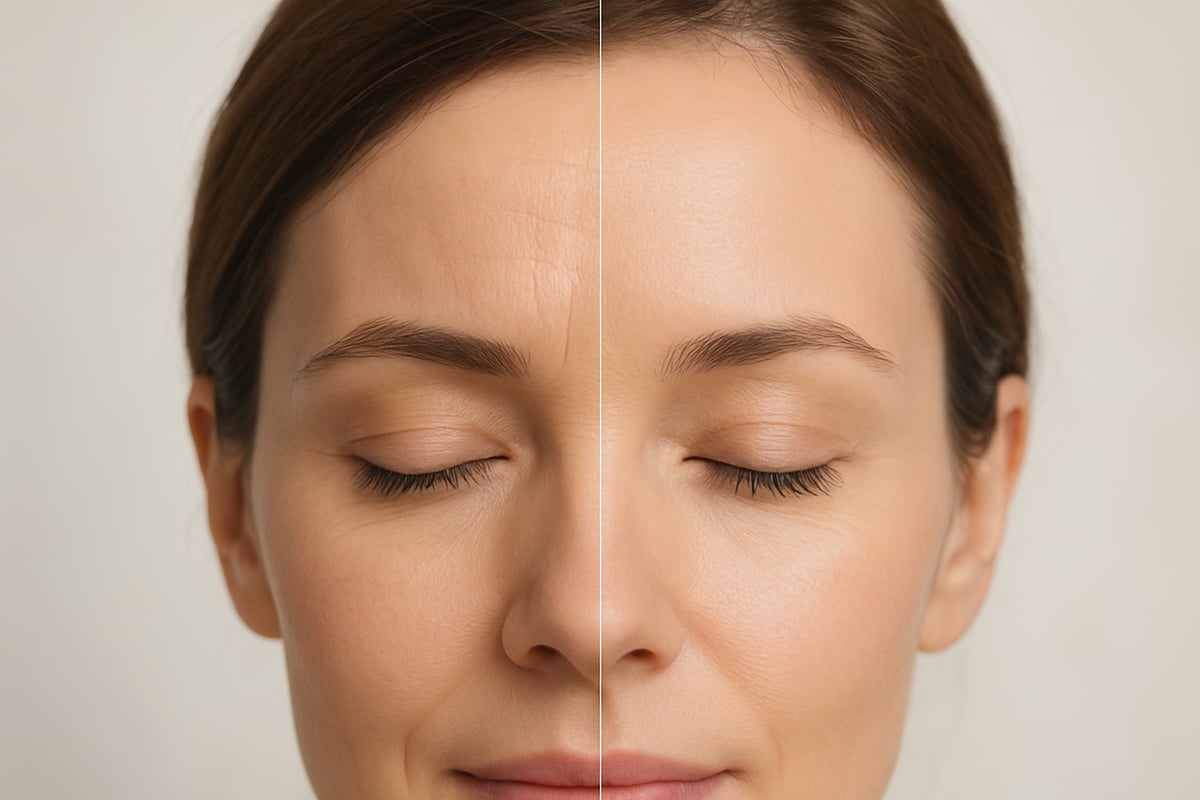
Understanding Forehead Wrinkles
Forehead wrinkles often appear as we age, but they can also be influenced by repetitive facial movements, sun exposure, genetics, and lifestyle choices. These lines fall into two categories: static lines, which remain visible even when your face is at rest, and dynamic lines, which appear during expressions like raising your eyebrows.
Treating forehead wrinkles can be tricky. The skin here is thin and the area is in constant motion, which means results may vary. Collagen loss and reduced skin elasticity speed up the appearance of these lines, making forehead fillers a popular solution for those looking for smoother skin.
What Are Forehead Fillers?
Forehead fillers are injectable treatments designed to add volume beneath the skin, smoothing out lines and restoring a youthful look. The two main substances used are hyaluronic acid (HA) and calcium hydroxylapatite (CaHA). Both are well-known for their safety and effectiveness.
While most fillers are FDA-approved for areas like cheeks and lips, the use of forehead fillers is considered off-label but is rapidly growing in popularity. Trusted brands include Juvederm, Restylane, Radiesse, and Sculptra. Each offers unique benefits, so your provider can help you choose the right option for your goals.
How Forehead Fillers Work
The magic of forehead fillers lies in their ability to plump the skin, smooth wrinkles, and even stimulate your body’s own collagen production. HA fillers deliver instant results by attracting water to the area, while CaHA fillers provide gradual improvement and longer-lasting effects.
Results from HA fillers typically last 12 to 18 months, while CaHA can remain effective for up to 24 months. Over time, HA fillers dissolve naturally, offering a reversible option if you want flexibility. CaHA, with its thicker consistency, is often chosen for deeper lines and longer-lasting rejuvenation.
Forehead Fillers vs. Botox: Key Differences
It’s common to wonder if forehead fillers or Botox are the better choice. Botox works by relaxing the muscles that create dynamic wrinkles, while forehead fillers add volume to smooth out static lines. Each has its own safety profile and recommended use.
Botox is FDA-approved for treating forehead lines, while forehead fillers are often used off-label but are gaining traction for their transformative results. Curious about how these treatments stack up? Check out this Difference Between Botox and Fillers guide for a detailed comparison to help you make the best choice for your skin.
Benefits and Risks of Forehead Fillers in 2026
Choosing forehead fillers in 2026 can be both exciting and a little daunting. That is why understanding the full spectrum of benefits and risks is so important. Let us break down what you need to know so you can make the best choice for your unique needs.

Advantages of Forehead Fillers
Forehead fillers offer a simple, non-surgical path to smoother, more youthful skin. One of the biggest draws is the instant improvement most people see right after treatment. You can customize your results, whether you want a subtle refresh or a more dramatic transformation.
These treatments also help balance facial features and can even improve the shape of your brow. The effects last much longer than many other cosmetic options, with results sticking around for 12 to 24 months. For those seeking a boost in confidence without the downtime of surgery, forehead fillers are a popular choice.
Risks and Safety Considerations
While forehead fillers are generally safe, there are important risks to consider. The forehead contains many blood vessels, making precise technique essential. Complications can include vascular occlusion, which can lead to skin necrosis or, in very rare cases, vision loss.
Other concerns include lumps, migration of the filler, or over-correction. It is vital to choose a board-certified and experienced injector for this delicate area. According to a recent study on serious complications of hyaluronic acid fillers, most issues are avoidable with proper training and care. Your safety should always be the top priority.
Common and Rare Side Effects
Most people experience only mild side effects from forehead fillers. These include temporary bruising, swelling, tenderness, redness, or itching at the injection site. These symptoms usually resolve within a few days and can be managed with simple aftercare.
Rarely, more severe reactions like infection, allergic responses, tissue death, or vision changes can occur. It is encouraging to know that the vast majority of side effects are mild and short-lived. Always follow your provider’s advice and check in if anything feels unusual after your treatment.
| Side Effect | Frequency | Typical Duration |
|---|---|---|
| Bruising/Swelling | Common | 1-3 days |
| Tenderness/Redness | Common | 1-2 days |
| Infection | Rare | Varies |
| Vision Changes | Very Rare | Immediate attention |
Who Should Avoid Forehead Fillers?
Forehead fillers are not suitable for everyone. If you are pregnant or breastfeeding, it is best to wait. Those with bleeding disorders, allergies to filler ingredients, or active skin infections should avoid these treatments.
People who are prone to keloid or hypertrophic scarring are also not ideal candidates. If you have a complex medical history, make sure to discuss it thoroughly with your provider. Being honest about your health helps keep your experience safe and successful.
Are Forehead Fillers Safe? 2026 Updates
The safety of forehead fillers continues to improve thanks to new techniques and smarter products. In 2026, more providers use advanced tools and digital imaging to minimize risks. Recent filler formulas are designed for better integration and fewer side effects.
Ongoing studies, updated protocols, and stricter training requirements mean both injectors and patients are more informed than ever. Staying up to date with the latest recommendations ensures your experience with forehead fillers is as safe as possible.
The Forehead Filler Treatment Process: Step-by-Step
Getting forehead fillers is an exciting journey toward smoother, more youthful skin. Let’s walk through each step of the process so you know what to expect and feel confident every step of the way.

Step 1: Consultation and Assessment
Your forehead filler journey begins with a detailed consultation. The provider will review your medical history and examine your facial structure to ensure forehead fillers are right for you. They’ll ask about your goals, discuss realistic expectations, and explain potential risks.
You might see digital imaging or a simulation of your possible results. This helps you visualize changes before proceeding. Custom treatment planning is crucial for safety and satisfaction.
For more context and expert insights, check out this Guide to Injectables and Fillers. It’s a helpful resource before your first appointment.
Step 2: Preparation Before Treatment
Before your forehead fillers appointment, you’ll receive clear instructions to set you up for success. You’ll be advised to avoid blood thinners, alcohol, and certain supplements a few days prior. These steps help reduce the risk of bruising.
On the day of treatment, your skin will be cleansed. A numbing cream is applied to keep you comfortable. The provider will carefully mark the injection sites for accuracy. Staying hydrated and avoiding salty foods can help minimize swelling after forehead fillers.
Step 3: The Injection Procedure
During the actual procedure, your provider may use a fine needle or a blunt-tipped cannula to inject the forehead fillers. Fillers often contain lidocaine, so you’ll feel minimal discomfort, just a gentle pricking or pressure.
The injections are precise, targeting specific areas to smooth lines and restore volume. The entire process usually takes around 20 to 30 minutes. You’ll be able to chat with your provider and ask questions throughout your forehead fillers session.
Step 4: Immediate Post-Treatment Care
Right after receiving forehead fillers, your provider may gently massage the area to prevent lumps and ensure even distribution. Cold compresses are often applied to reduce swelling and soothe the skin.
You’ll be observed briefly for any immediate reactions. Most patients can return to their regular activities the same day. Your confidence and comfort are top priorities after forehead fillers.
Step 5: Aftercare and Recovery
After your forehead fillers treatment, you’ll get easy-to-follow aftercare instructions. It’s best to avoid strenuous exercise, hot environments, and alcohol for 24 to 48 hours. Use gentle skincare products and try to sleep on your back to protect your results.
Keep an eye out for side effects like swelling or redness, which are usually mild and temporary. If anything feels unusual, contact your provider. Full results from forehead fillers become visible in a few days, so be patient as your skin settles.
| Aftercare Dos | Aftercare Don’ts |
|---|---|
| Use cold packs | Rub or press the area |
| Sleep on back | Do heavy exercise |
| Gentle skincare | Drink alcohol soon after |
Step 6: Maintenance and Follow-Up
Forehead fillers are not permanent, but their results are impressively long-lasting. Hyaluronic acid fillers last 12 to 18 months, while CaHA fillers can last up to 24 months.
Regular touch-ups are recommended every 6 to 9 months for optimal results. Stay in touch with your provider and schedule annual or semi-annual check-ins. Consistent maintenance helps you enjoy the benefits of forehead fillers year after year.
Who Is a Good Candidate for Forehead Fillers?
Wondering if forehead fillers are right for you? Choosing the right treatment can feel overwhelming, but understanding who benefits most from forehead fillers helps set realistic expectations. Let’s walk through who makes an ideal candidate and what you should consider before booking your appointment.

Ideal Candidates and Goals
Forehead fillers offer a solution for people who notice moderate to deep lines across the upper face, especially those that remain even when the face is at rest. If you have tried creams or even neurotoxin injections without full correction, you might be ready for a more immediate, non-surgical option.
The best candidates are adults in good health seeking subtle or dramatic rejuvenation with minimal downtime. According to a study on long-term outcomes of hyaluronic acid fillers in forehead contouring, satisfaction rates are highest among patients with realistic goals and stable overall health.
Forehead fillers can also help improve brow shape and overall symmetry, making them a popular choice for those wanting a refreshed look.
Candidacy Exclusions and Precautions
While forehead fillers are safe for many, they are not for everyone. If you are pregnant, breastfeeding, or have a history of severe allergies to filler ingredients, it’s best to wait. Individuals with bleeding disorders, active skin infections, or a tendency to form keloid or hypertrophic scars should also avoid this treatment.
Because forehead fillers are an off-label use, it is crucial to choose an experienced medical provider who is trained in advanced techniques. Be sure you understand the risks and limitations before deciding. Your safety and well-being always come first, so open communication with your injector is essential.
Consultation Checklist: Questions to Ask Your Provider
Before committing to forehead fillers, come prepared with questions to ensure you’re in good hands. Ask your provider about their experience with forehead fillers, and request to see before-and-after photos of past clients. Discuss their approach to safety, especially protocols for managing rare complications.
Clarify your expected results and how long they may last. Make sure you understand the aftercare process and what follow-up visits are recommended. A reputable provider will welcome your questions and help you feel confident in your decision.
Alternatives to Forehead Fillers
If you’re not a candidate for forehead fillers or want to explore other options, several alternatives exist. Neurotoxin treatments like Botox target dynamic lines, while microneedling and laser resurfacing can improve skin texture and boost collagen. Thread lifts or non-invasive tightening devices may also suit some individuals.
Each option has unique benefits and considerations. Comparing these treatments can help you find the best fit for your goals, skin type, and comfort level. Remember, a thorough consultation ensures you get the personalized guidance you deserve.
Forehead Filler Products: What’s Available in 2026?
Curious about what’s new in forehead fillers for 2026? This year brings more choices than ever, with innovative products tailored to different skin needs and aesthetic goals. Let’s break down the options so you can feel confident about your decision.
Hyaluronic Acid (HA) Fillers
Hyaluronic acid fillers remain a top choice for forehead fillers in 2026. Brands like Juvederm, Restylane, and Versa are popular because they offer immediate results and can be reversed if needed.
HA fillers are loved for their versatility. They can smooth fine lines, restore lost volume, and even subtly lift the brows. Results typically last 12 to 18 months, making them a flexible option for those new to forehead fillers or anyone wanting temporary changes.
Most HA fillers contain lidocaine, which helps minimize discomfort during the procedure. Pricing generally ranges from $625 to $749 per syringe, depending on location and provider. If you’re seeking a reliable solution with a proven safety track record, HA fillers are a great place to start.
Calcium Hydroxylapatite (CaHA) Fillers
Calcium hydroxylapatite, or CaHA, is another strong contender in the world of forehead fillers. The most recognized brand here is Radiesse. CaHA fillers are thicker than HA, so they’re best for moderate to severe wrinkles and deeper lines.
One of the standout features of CaHA fillers is their ability to stimulate your own collagen production over time. This means results not only look natural but can last up to 24 months. However, CaHA fillers aren’t reversible, so it’s important to be sure about your choice and work with a skilled provider.
For those looking for longer-lasting improvement and more dramatic smoothing, CaHA fillers offer a powerful solution. Their firmer texture also helps maintain natural forehead movement while addressing volume loss.
Poly-L-lactic Acid and Other Options
Poly-L-lactic acid, best known under the brand name Sculptra, is making waves among forehead fillers in 2026. Unlike HA and CaHA, Sculptra works gradually by stimulating collagen, so improvements appear over several weeks. This is a great choice for those who want subtle, long-term rejuvenation.
Use of Sculptra in the forehead is still emerging, but new studies and techniques are making it more accessible. Some providers are now combining different types of fillers for optimal results, as highlighted in this Forehead Volumization with Hybrid Fillers study, which explores the safety and effectiveness of mixing CaHA and HA.
Sculptra’s results can last up to two years, offering a low-maintenance option for people seeking gradual, natural changes.
Choosing the Right Filler for You
With so many forehead fillers available, how do you pick the best one? It comes down to your goals, skin type, wrinkle severity, and budget. Here’s what to consider:
- HA fillers: Great for first-timers, subtle lines, or if you want reversibility
- CaHA fillers: Better for deeper lines and longer-lasting results
- Sculptra: Ideal for gradual, collagen-boosting improvements
A professional assessment is crucial. Your provider will review your medical history, analyze your facial features, and help you decide which option fits your vision. Remember, the right forehead fillers should enhance your natural beauty and leave you feeling empowered.
Comparing Cost and Value
Let’s talk numbers. The cost of forehead fillers varies based on product, amount needed, and provider expertise. Here’s a quick comparison:
| Filler Type | Price per Syringe | Longevity | Touch-Up Frequency |
|---|---|---|---|
| HA Fillers | $625–$749 | 12–18 months | Every 6–9 months |
| CaHA Fillers | $625–$749 | Up to 24 months | Every 12–18 months |
| Sculptra | $700–$900 | Up to 2 years | Every 12–24 months |
Most people need one to two syringes per treatment. While the initial investment can seem high, the long-term value is significant. Touch-ups are less frequent, and results last longer than many other cosmetic options.
When weighing cost, factor in both the longevity and the confidence boost that forehead fillers can bring. The right choice is the one that feels right for your needs and budget.
Forehead Fillers in 2026: Trends, Innovations, and What’s Next
Curious about where the world of forehead fillers is headed in 2026? This year brings a wave of exciting changes, blending science, artistry, and technology to create safer, more personalized experiences. Let’s explore the biggest trends shaping the future of forehead fillers and what you can expect if you’re considering this treatment soon.
Latest Techniques and Safety Advances
The landscape of forehead fillers is evolving fast. In 2026, safety is front and center, with providers widely adopting blunt cannulas instead of sharp needles. This shift helps reduce the chances of hitting blood vessels and lowers the risk of complications.
Another leap forward is ultrasound-guided injections. This technology allows injectors to see beneath the skin in real time, making procedures safer and more precise. New protocols focus on complication prevention, including careful mapping of facial anatomy and immediate response plans. These advances make forehead fillers a more reassuring choice for patients seeking natural, worry-free results.
Filler Formulation Innovations
Filler science is making big strides. New gels for forehead fillers last longer and feel more natural, creating results that move with your expressions. Many of these next-gen products are bio-stimulatory, encouraging your skin to produce more collagen for a true rejuvenation effect.
Customizable viscosities mean fillers can be matched to your skin type and wrinkle depth, providing tailored solutions for every forehead. Some clinics are now offering polycaprolactone-based fillers, which have shown promising safety and long-term efficacy for forehead augmentation. This innovation opens up new possibilities for those seeking durable, subtle improvements.
Personalized Aesthetics and Digital Planning
The future of forehead fillers is all about personalization. Clinics are using 3D imaging and facial mapping to plan treatments with incredible accuracy. This technology helps providers preview how fillers will look before making a single injection.
AI-driven planning tools are also gaining traction, predicting outcomes and guiding injectors for optimal symmetry. As a result, forehead fillers can be customized for different ages, ethnicities, and facial shapes. The focus in 2026 is on creating natural, harmonious enhancements that reflect your unique features.
Regulatory and Industry Updates
With the popularity of forehead fillers growing, the industry is tightening standards to keep patients safe. The FDA is updating guidelines and reviewing new filler types, especially as more products are used in the forehead area.
Credentialing for injectors is becoming stricter, with more emphasis on board certification and advanced training. clinics are also stepping up consumer education, running safety campaigns so patients know what to expect and how to choose qualified providers. These changes help ensure that your forehead fillers experience is both effective and secure.
Patient Experience and Community Insights
Patients in 2026 are more informed and empowered than ever. Real stories shared online help set realistic expectations about forehead fillers. Social media is driving trends toward subtle, natural-looking results, with many people choosing tweaks that enhance rather than transform.
Community forums and reviews make it easy to compare clinics and see before-and-after results. As demand grows for gentle, non-surgical facial rejuvenation, forehead fillers are becoming a go-to solution for those seeking confidence and a fresh, youthful look.
Frequently Asked Questions About Forehead Fillers
Curious about forehead fillers? You are not alone. We have gathered the most common questions our community asks, so you can feel confident, informed, and ready for your next step. Let us dive right in.
How Long Do Forehead Filler Results Last?
Results from forehead fillers generally last between 12 to 24 months, depending on the type of filler used. Hyaluronic acid (HA) fillers offer results for about 12 to 18 months, while calcium hydroxylapatite (CaHA) can last up to two years. Factors such as your metabolism, lifestyle, and the specific product chosen can influence how long your smoother look stays. If you are looking for sustained results, regular touch-ups will help maintain your refreshed appearance. Forehead fillers make it possible to enjoy a more youthful look without long-term commitment.
Are Forehead Fillers Painful?
Most people find forehead fillers surprisingly comfortable. Before starting, your provider will apply a numbing cream to minimize any discomfort. Many fillers also contain lidocaine, which helps reduce pain during the procedure. You may feel a gentle pricking or slight pressure, but it is usually mild and brief. After treatment, some tenderness or swelling is common, but these sensations typically fade within a few days. If you are nervous about pain, talk to your injector about extra numbing options, so your forehead fillers experience is as pleasant as possible.
How Much Do Forehead Fillers Cost?
The cost of forehead fillers depends on several factors, including the number of syringes needed and the depth of your lines. On average, expect to pay between $625 and $749 per syringe. Most people require one to two syringes per session, and maintenance touch-ups are usually needed every 6 to 9 months. Remember, investing in your confidence and comfort is just as important as the price tag. For a deeper dive into options and finding providers near you, check out Face Fillers Near Me.
Can Forehead Fillers Be Reversed?
If you are concerned about reversibility, it is good to know that hyaluronic acid forehead fillers can be dissolved using an enzyme called hyaluronidase. This offers peace of mind if you want to make adjustments or remove the filler entirely. However, CaHA and Sculptra fillers are not reversible, so it is important to choose wisely based on your comfort level. For those exploring alternatives or wanting to compare treatments, our guide Fillers vs. Microneedling vs. Skinvive is a helpful resource.
If you’re feeling inspired to smooth forehead lines and want to see what forehead fillers could do for you in 2026, you’re not alone—there are so many exciting advances and personalized options available now. At Valencia MedSpa, we understand how important it is to feel confident in your own skin, and we’re here to answer your questions, walk you through every step, and help you decide what’s right for you. Let’s explore your unique goals together and create a plan that brings out your natural beauty. Ready to take the next step? Schedule a Consultation